Skip To Content

Bigger, better, more joined up. Advice for land managers.

From farms to golf courses, nature reserves to community spaces, land managers across Surrey look after an incredibly varied landscape. Many Surrey land managers are now using methods that not only benefit their land, but have a positive impact on the county – and British wildlife – as a whole.

Surrey’s species rely on a variety of different habitats to survive. ‘Habitat fragmentation’ is the break-up or interruption of these habitats, and makes it harder for native and threatened species to find food, breed, or move around. Increasing development and agriculture are both drivers of this fragmentation. Between the 1940s and 1990s these factors have led to the loss of around half of Britain’s hedgerows and 97% of our species-rich grassland , both critical habitats for Surrey wildlife.

In 2010, Professor Sir John Lawton released a report called ‘Making Space For Nature’. One key takeaway, the Lawton Principle, states ‘we need to make our network of sites bigger, better, and more joined up.’ The ‘joining up’ aspect is key – by working together to connect up our landscape and maximise our impact, we can achieve change on a much bigger scale.

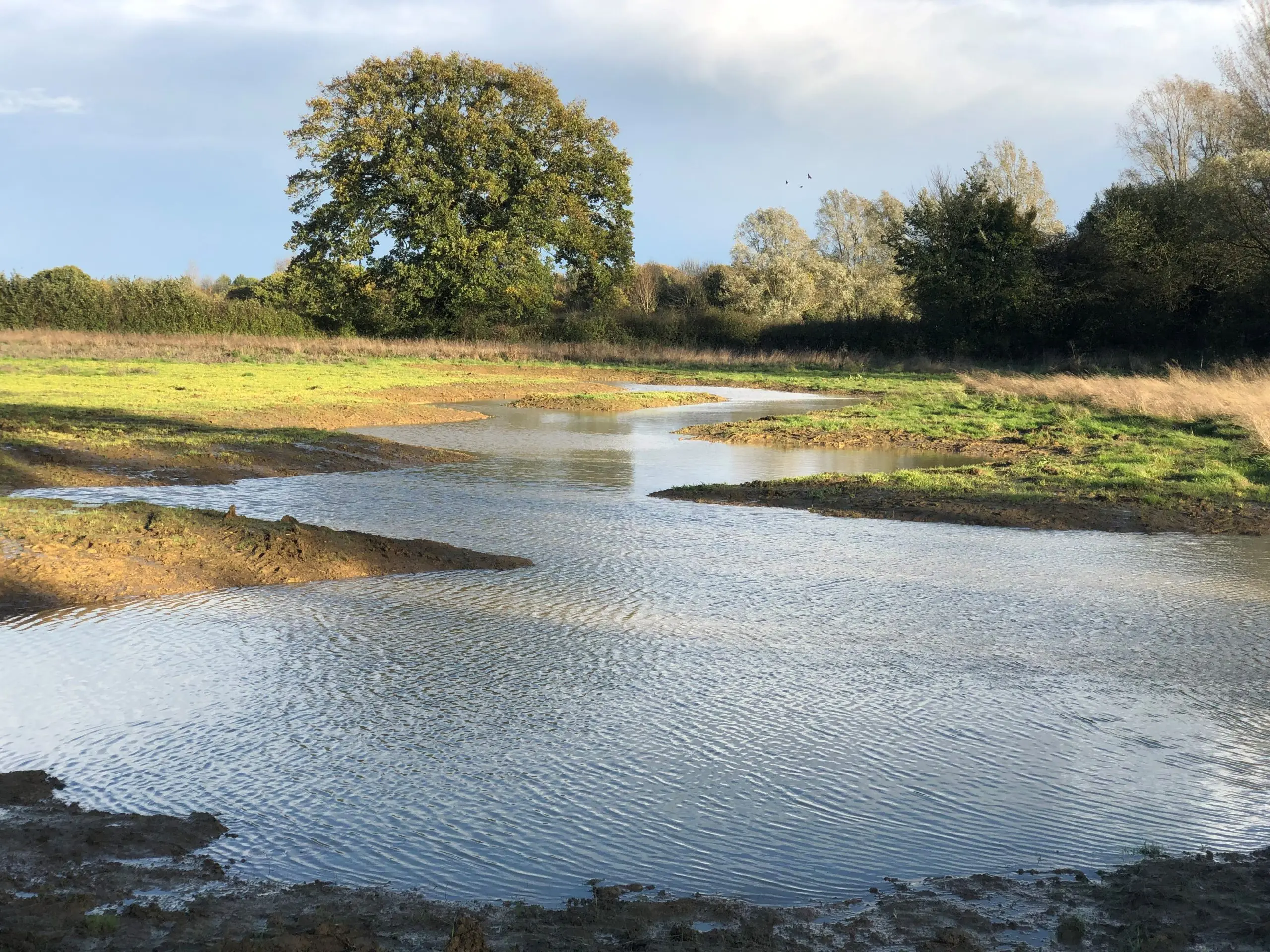
The collaborative county-wide movement to restore nature under Surrey’s Local Nature Recovery Strategy adopts this approach, mapping the areas that we can restore and protect to support nature, keep our rivers clean, and make it easier for landowners to work together and implement solutions. This could even include doing absolutely nothing - letting some areas grow wild, or allowing wetlands to develop as the Surrey Wildlife Trust image on this page shows, can be great ways to both restore nature and provide habitat 'stepping stones' between neighbouring patches of land. Surrey land managers can be part of a joined-up approach to restore nature across Surrey in a number of ways:

  • Working together: Forming ‘farm clusters’ with neighbouring farms enables more collaborative working, sharing of ideas, and even enables you to jointly apply for bigger funding pots. The Surrey Hills farming cluster has been officially running since early 2026, contact National Landscape or Surrey Wildlife Trust to find out more.
  • Managing pollution: Check you’re following government guidelines for storing and disposing of agricultural waste. A joined-up approach not only protects our waterways from agricultural pollution caused by runoff, but will also protect your land from upstream pollution. Reach out to your local River Catchment Partnership.
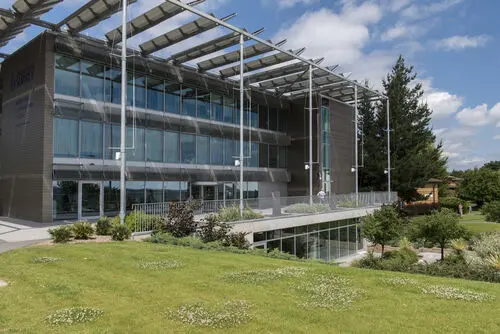
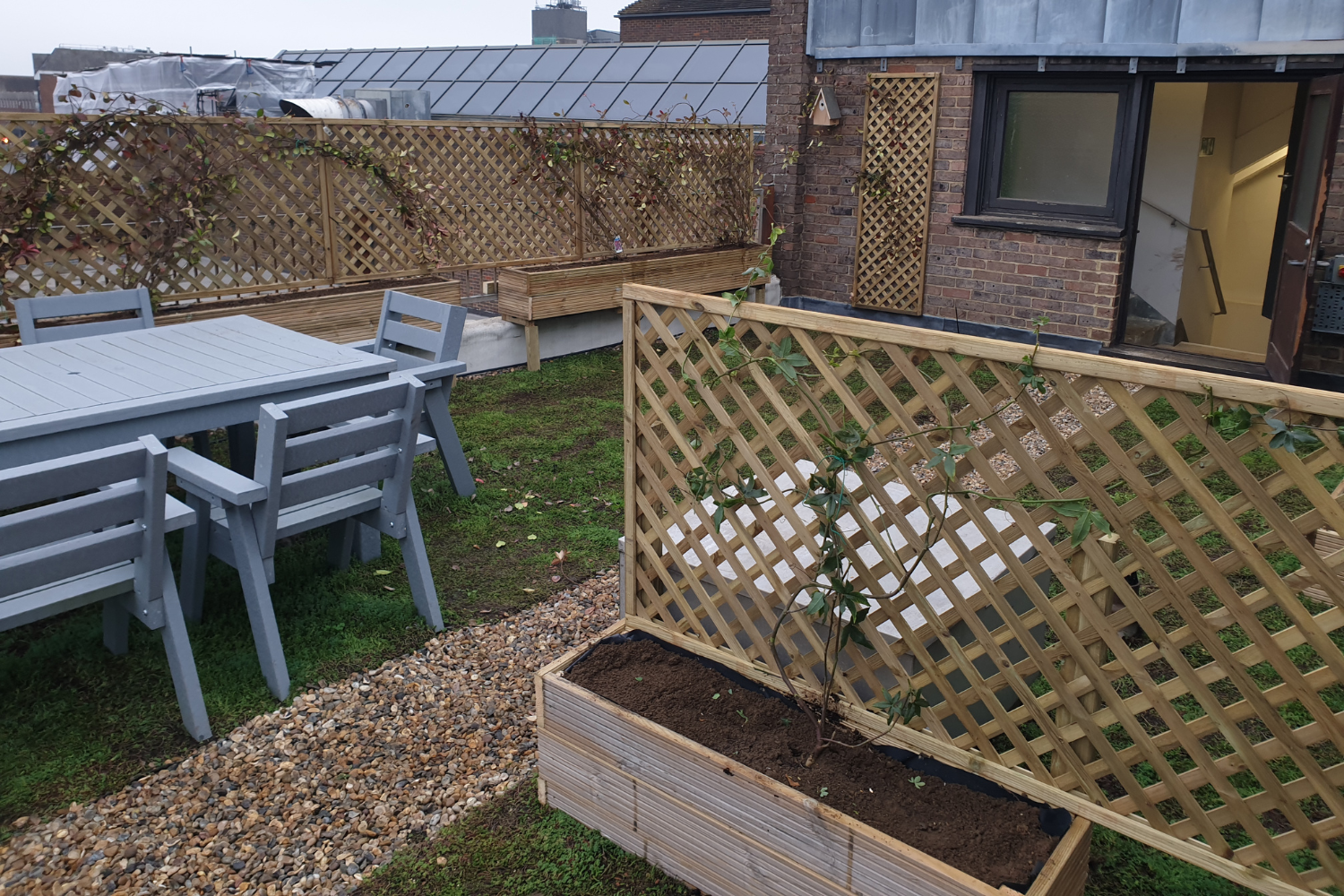
  • Consider Green Infrastructure: If you own land or property in an urban area small changes can have a big impact in creating a ‘stepping stone’ for wildlife in built up areas. Sustainable drainage or green walls benefit nature, but could help to mitigate flooding, improve air quality and more.
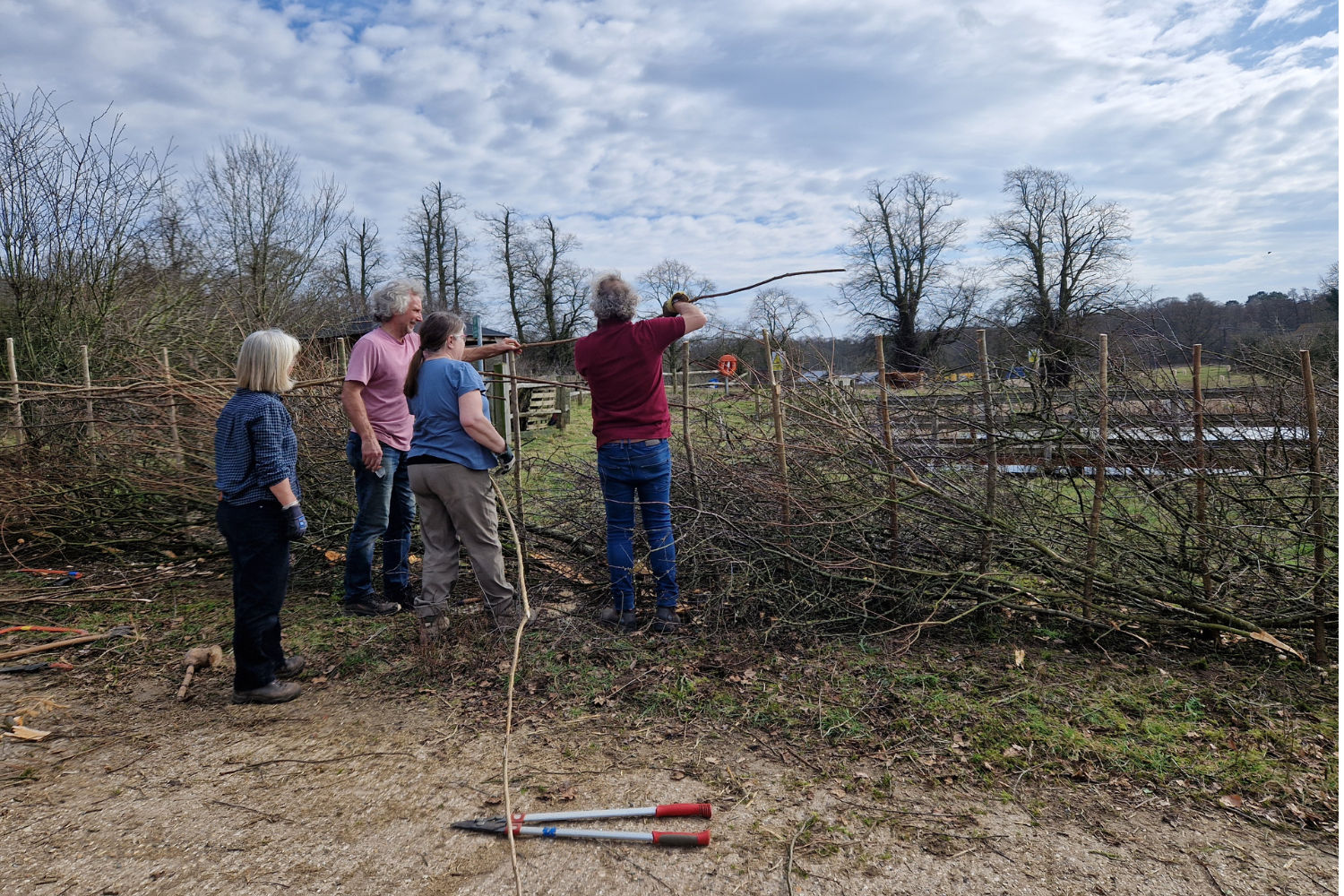
  • Creation/enhancement of habitats: Even small changes can go a long way to helping out wildlife on your land. Planting hedgerows along fence lines is a great way of greening up your field boundaries while also providing additional food and shelter for wildlife.
Secret Link