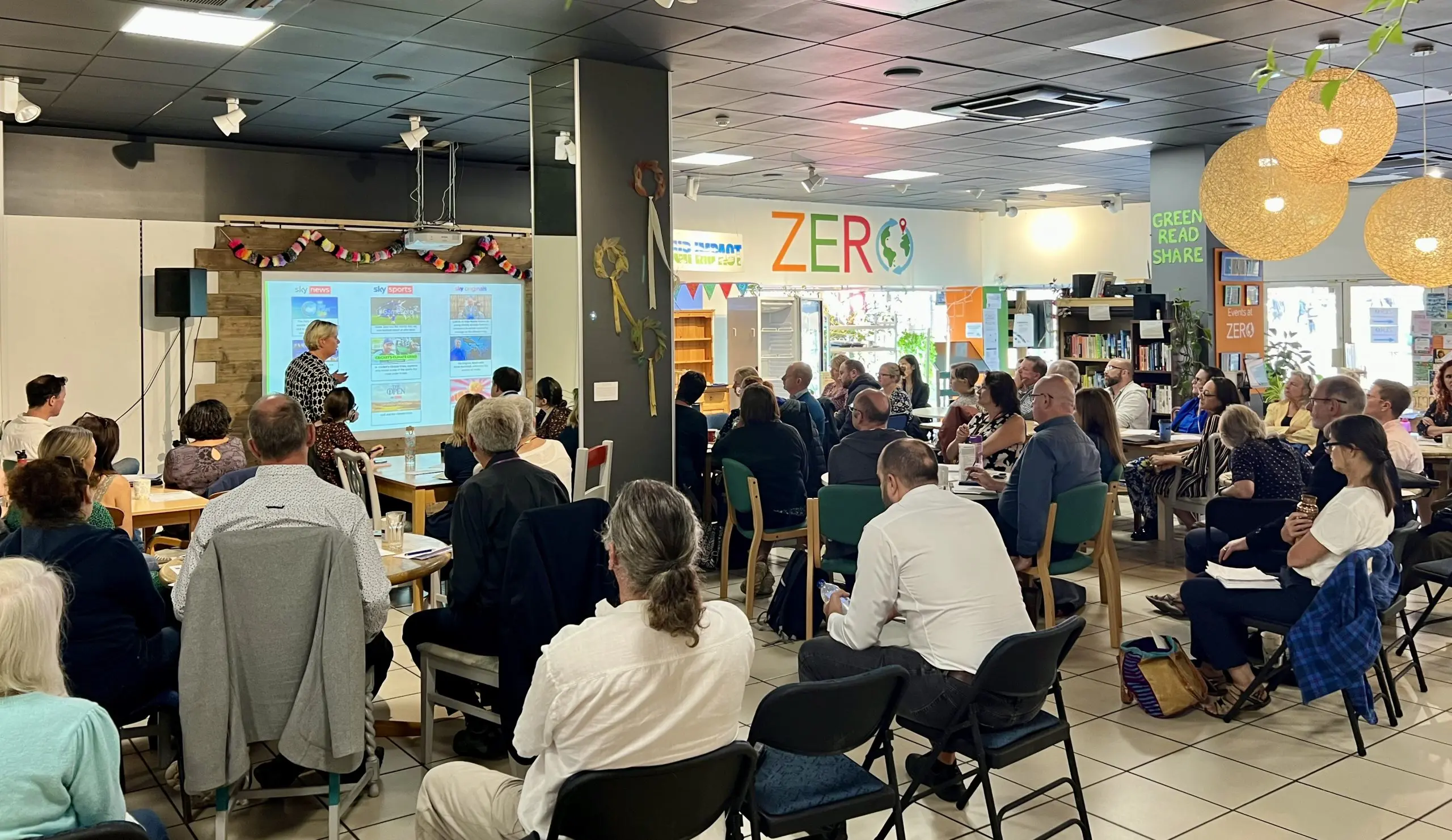
Urban Greening Toolkit Launch
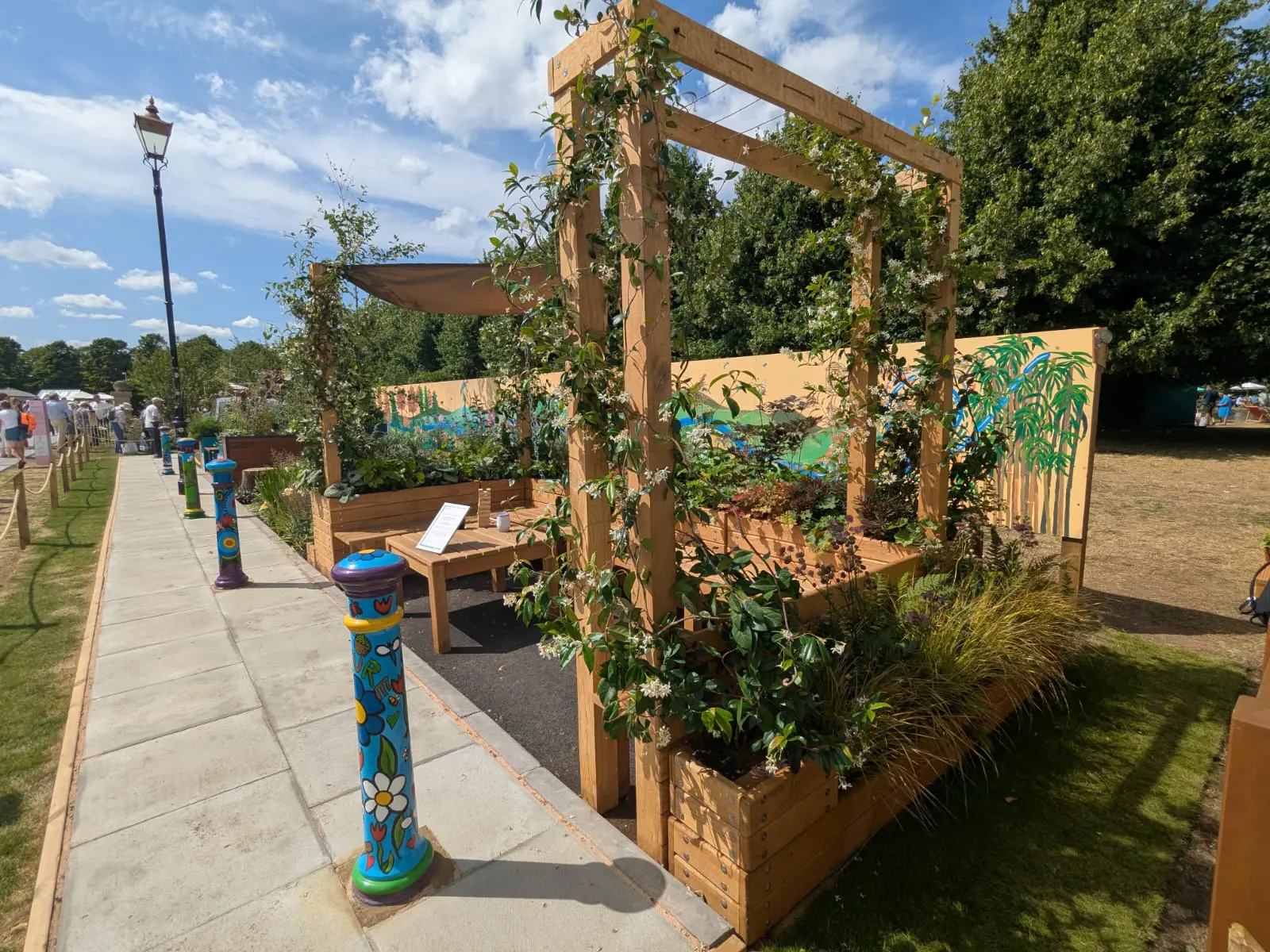
Urban greening is the process of improving our town and city centres through measures known as ‘green-blue infrastructure’, or GBI.
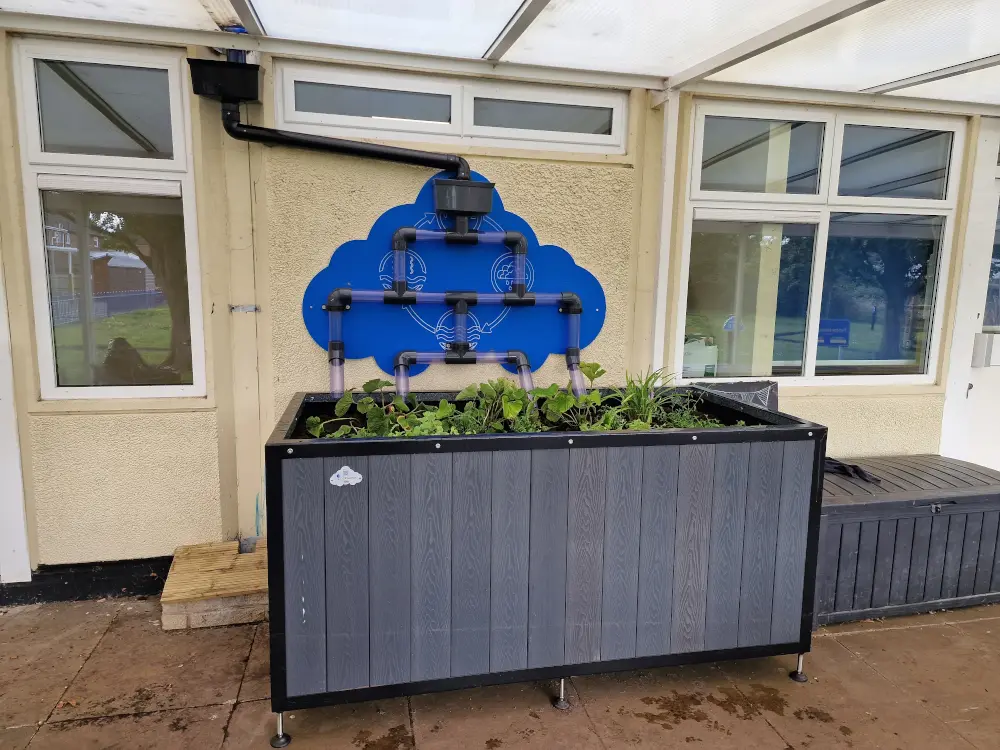
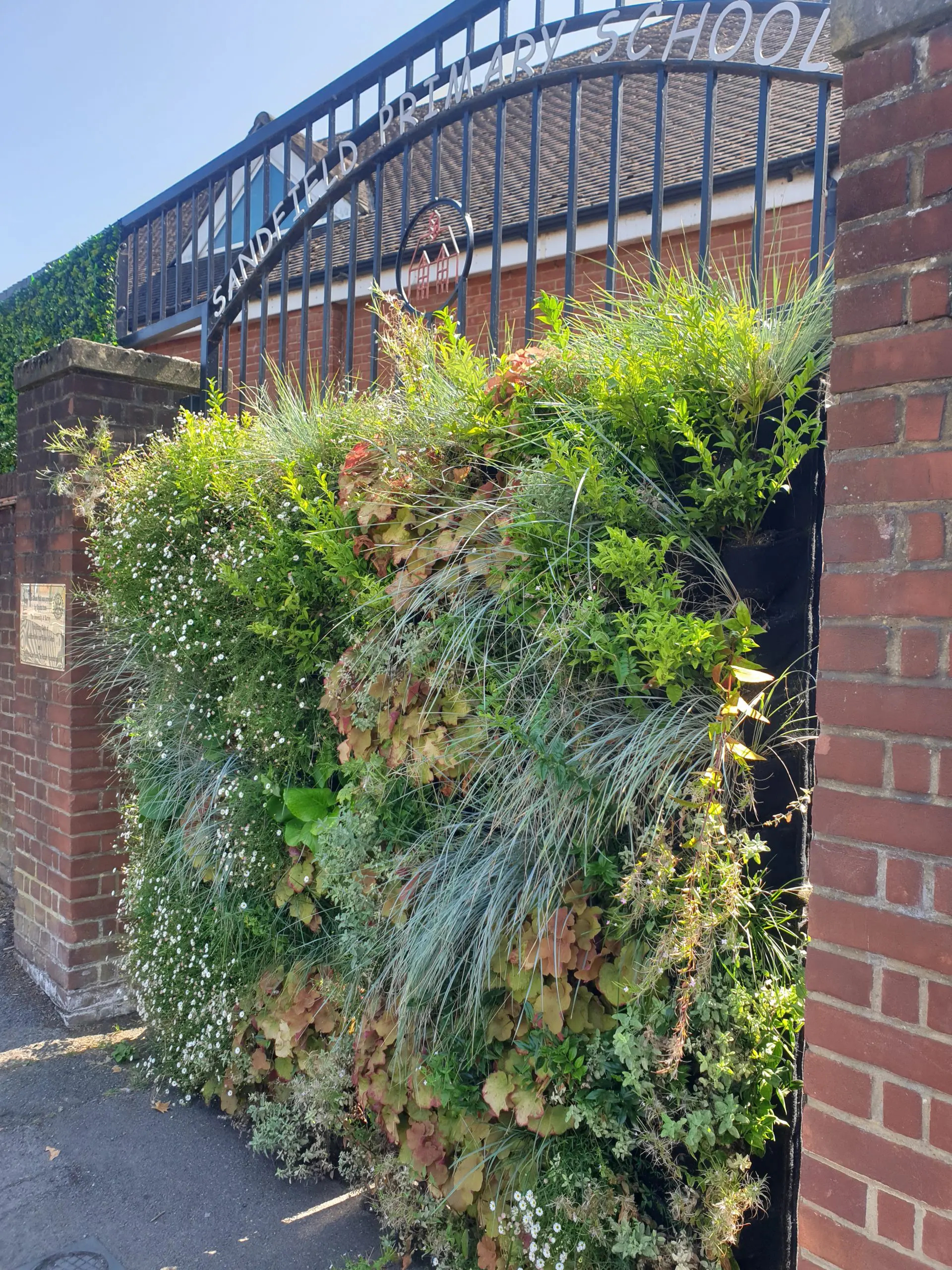
GBI includes a whole host of different measures, from living walls and sedum roofs to sustainable drainage and rainwater harvesting, to large measures such as wetlands. You might think putting wetlands into a town centre is laughably impractical – but did you know Woking actually has a town centre wetland already? It’s located by the WWF building behind the Peacock Centre!
The toolkit is designed to help local authorities and communities determine which type of intervention is the most effective in a particular location, what type of vegetation should be used, and the ‘do’s and don’ts’ of particular GBI.
Whilst urban greening can vastly improve the look of any built-up area, that is not the main purpose. In fact, GBI provides a huge range of benefits for local communities, businesses, the economy, local health services and more.
-
 Reduce air pollution significantly – an intervention in Surrey reduced playground air pollution by 44%
-
Reduce the risk of flooding by lowering run-off; 50,000 Surrey homes are predicted to be at risk of flooding within 25 years
-
Tackle the ‘urban heat island’ effect to lower summer temperatures in built-up areas
-
Positively impact mental health and wellbeing
-
Help to reverse nature loss by providing ‘pit stops’ for wildlife
-
Reduce noise pollution for residents and businesses
-
Capture carbon and tackle climate change
Urban greening can be done either through planning and development when new sites are built, or ‘retrofitted’ whereby GBI interventions are added to existing buildings and areas. A joined-up approach across sectors can be hugely beneficial when it comes to urban greening; for example an Australian study has shown that built up areas with more GBI have significantly less pressure on local health services, owing to the positive metal and physical benefits provided by greener towns and cities that provide shading, cooling, and wellbeing boosts. In simple terms, health practioners, council workers, business improvement districts, and community groups working on nature projects can all work together to maximise the impact of urban greening installations.
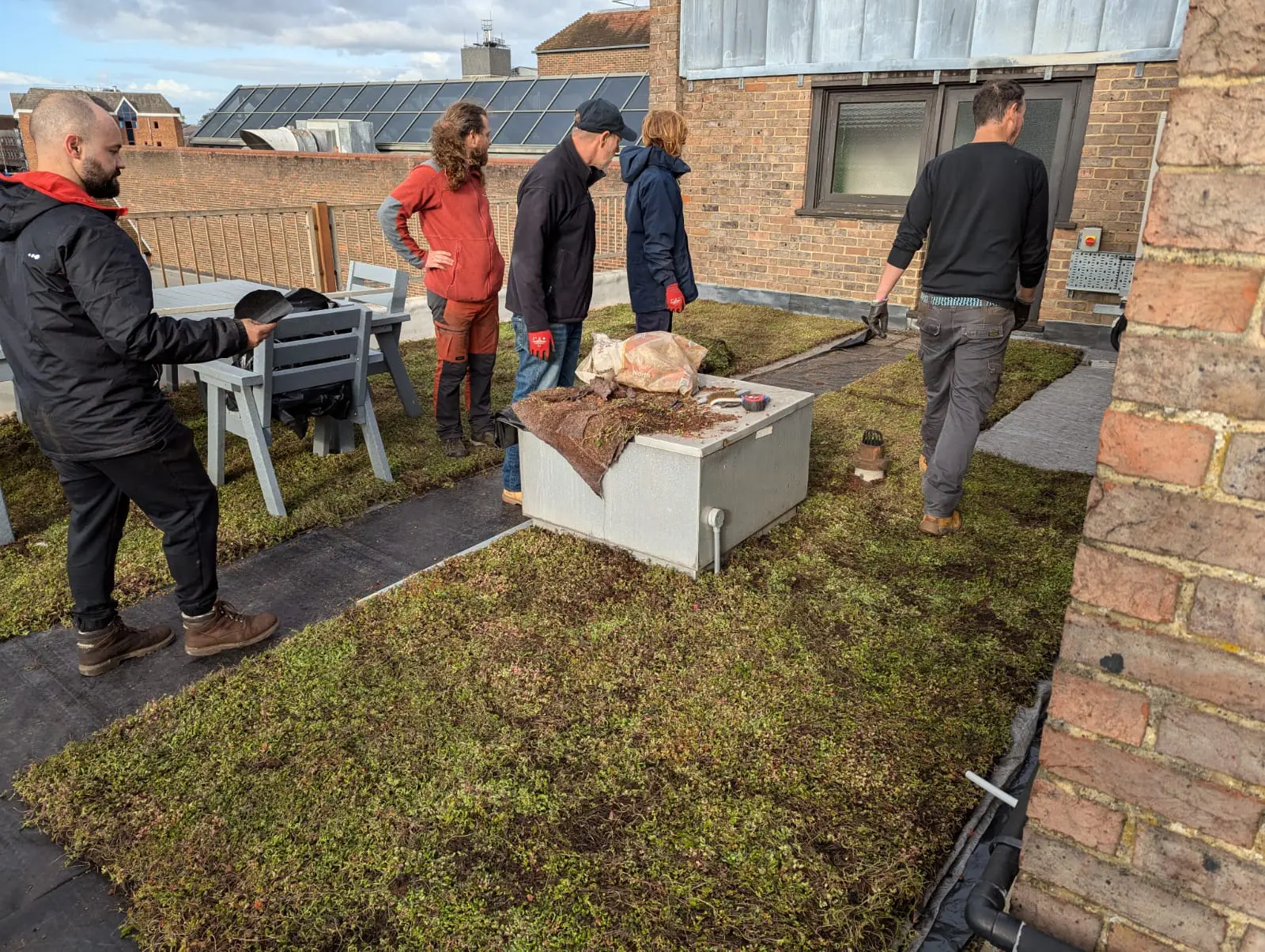
RECLAIM Plus is a collaboration between Surrey’s Global Centre for Clean Air Research and the UK Centre for Ecology Hydrology, the Universities of Bangor, Bath, Warwick and the UK Research Council. Surrey has played a role in the creation of the toolkit, with council officers from Surrey County Council and Guildford and Waverley Borough Councils, as well as staff and volunteers from local charity Zero Carbon Guildford contributing. ZERO has delivered some practical GBI interventions across the south-west of Surrey, including a green roof on a shopping centre.
Download the toolkit from RECLAIM’s website, where you’ll also find lots of useful info on the network itself and how you might get involved, or drop them an email for more information.