Surrey Resilient Schools Programme
Surrey has a large amount of dated infrastructure, and this can negatively impact our residents, businesses and schools during times of extreme weather.
Impacts from events like this threaten Surrey in a number of ways, from high temperatures causing damage to rail tracks and roads, wildfire that threatens Surrey’s unique landscapes and farmers, and flooding which already threatens around 30,000 local homes, with that figure set to nearly double over the next 20 years. Unfortunately, these weather events are becoming more frequent and more intense, and part of our ‘new normal’. As an example, January 2023 was the first time Surrey Fire & Rescue have had to deal with a wildfire as early as January, typically one of the wetter months.
One area these impacts can have direct consequences, as well as significant long-term indirect impacts, is in our schools. High temperatures in classrooms are a health risk to children, often vulnerable to extremes of temperature, and school flooding closes classrooms and playgrounds. If children being unable to attend school, learning is disrupted whilst the local economy is impacted if parents need to stay off work for childcare.
To begin tackling these risks, Surrey County Council (SCC) has been running the Place Delivery Programme, in which 21 maintained and Academy schools have been supported to install resilience measures to help counter these impacts.
Two additional schools, Guildford Grove Primary and Town Farm in Stanwell were piloted with ‘deep dive’ interventions, exploring how to create best practice thorough combined resilience measure installation.
The benefits of these interventions are wide-ranging, and although up-front costs are required, the potential savings across the economy, healthcare and educational system in the long term make this great value for money.
-
 Health: reduced risk of negative physical health impacts on children and educators
-
Educational: opportunities to interact more with nature-based learning, especially in heavily urban playground settings
-
Nature: offering pit stops for pollinators, birds and wildlife in urban areas
-
Drainage: slowed entry of rainwater into dated sewer systems reduces risk of flooding on site and nearby
-
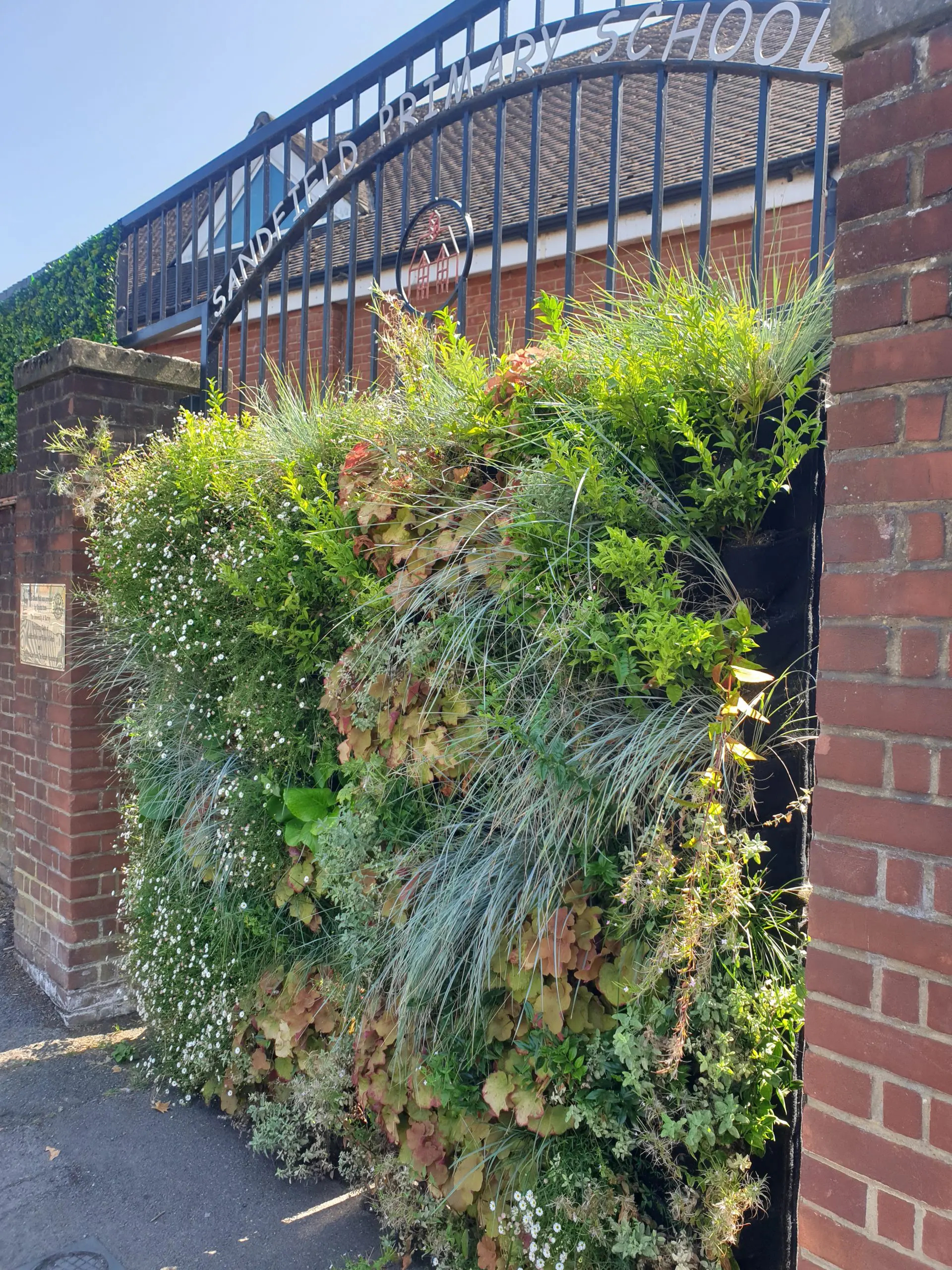
Air quality: ‘green blue infrastructure’ interventions like green screens and living walls have been shown to reduce air pollution on school grounds by up to 44% in Surrey
-
Mental health: continuity in outdoor play, as well as wellbeing boost from more nature interaction
The schemes were delivered as a 3 part package, not only tackling the infrastructure challenges faced by the schools, but helping the schools to understand and map their own risks from weather and climate impacts, and engaging the students in the activity with cross-curriculum learning:
Impact mapping: SCC has run several Resilient Schools training sessions to help heads, teachers and business manager understand and navigate the risks the schools face. These can be wide ranging from stranded assets in unusable buildings, to increased insurance premiums, liability claims and more. So far 45 schools have undertaken the training.
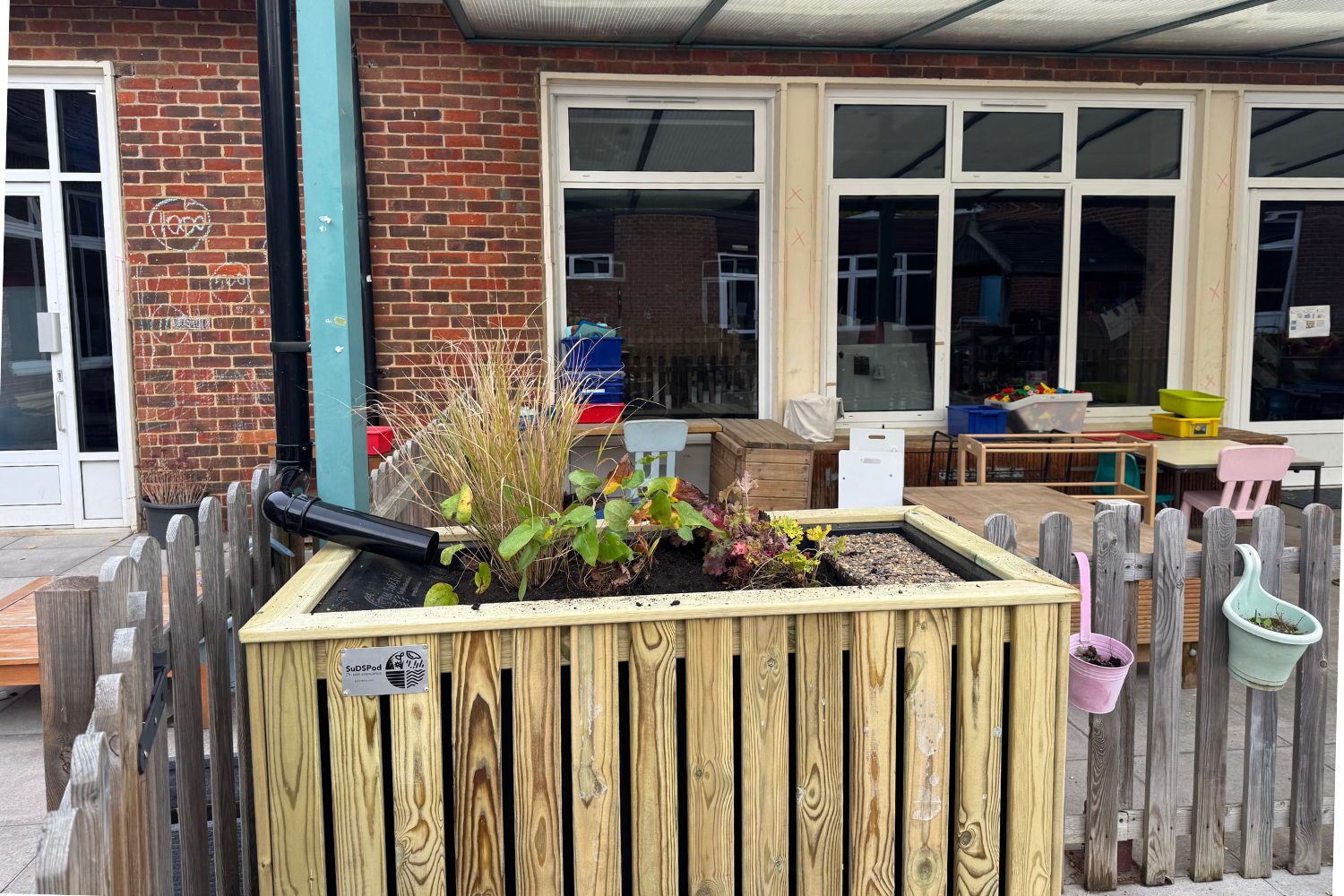
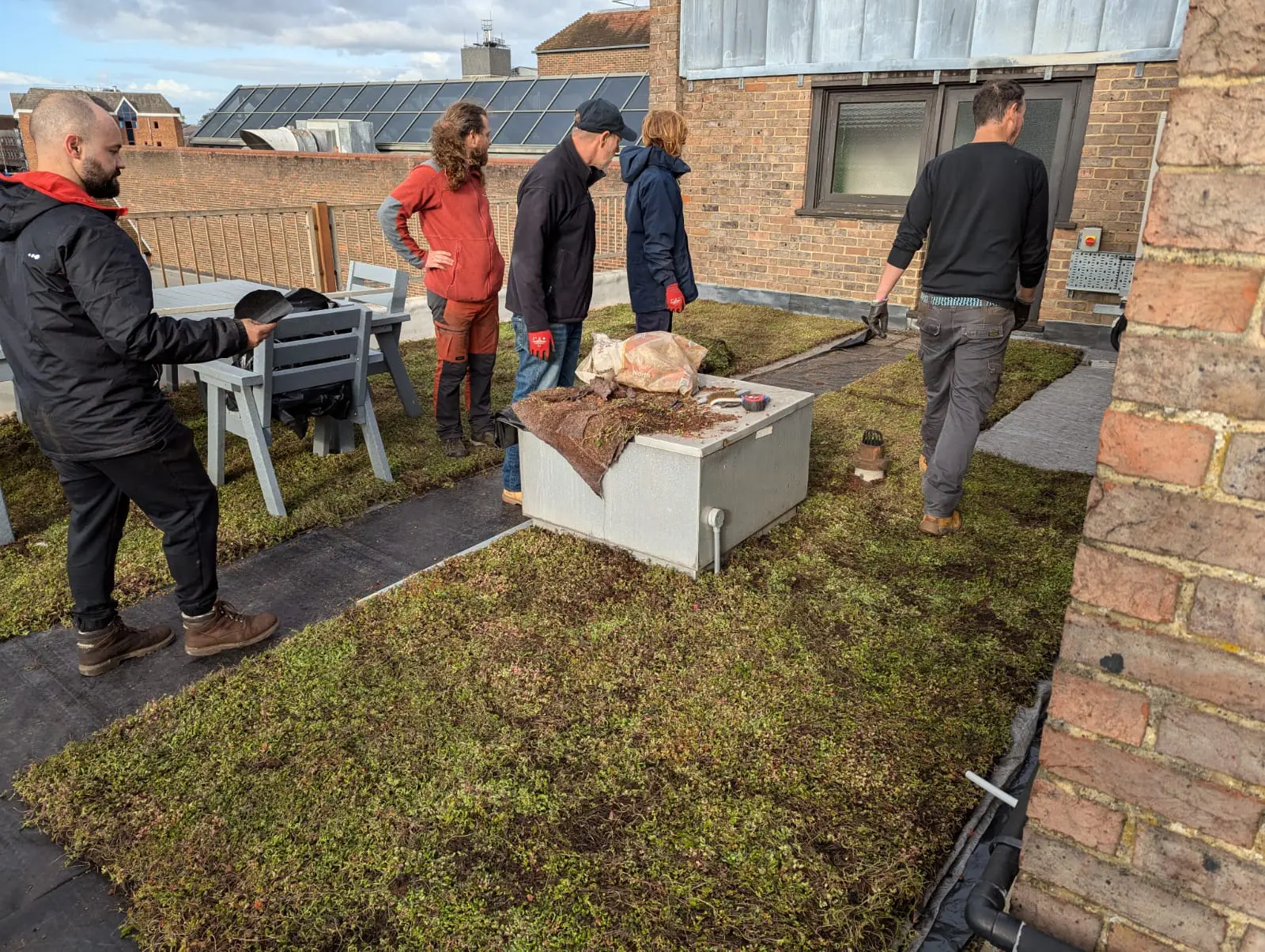
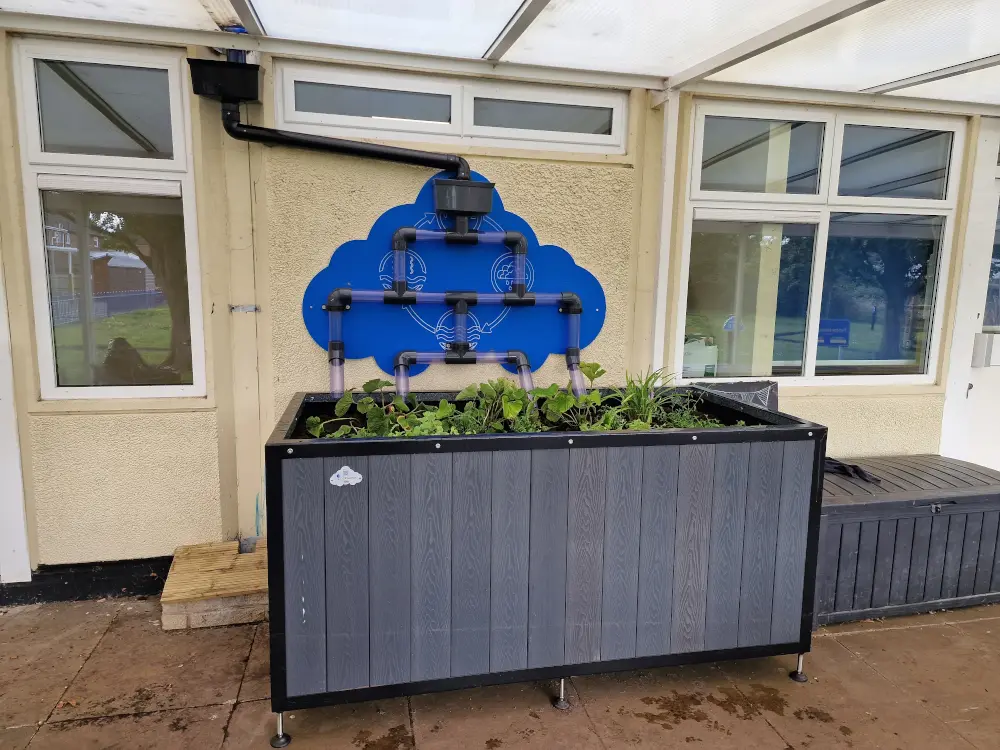
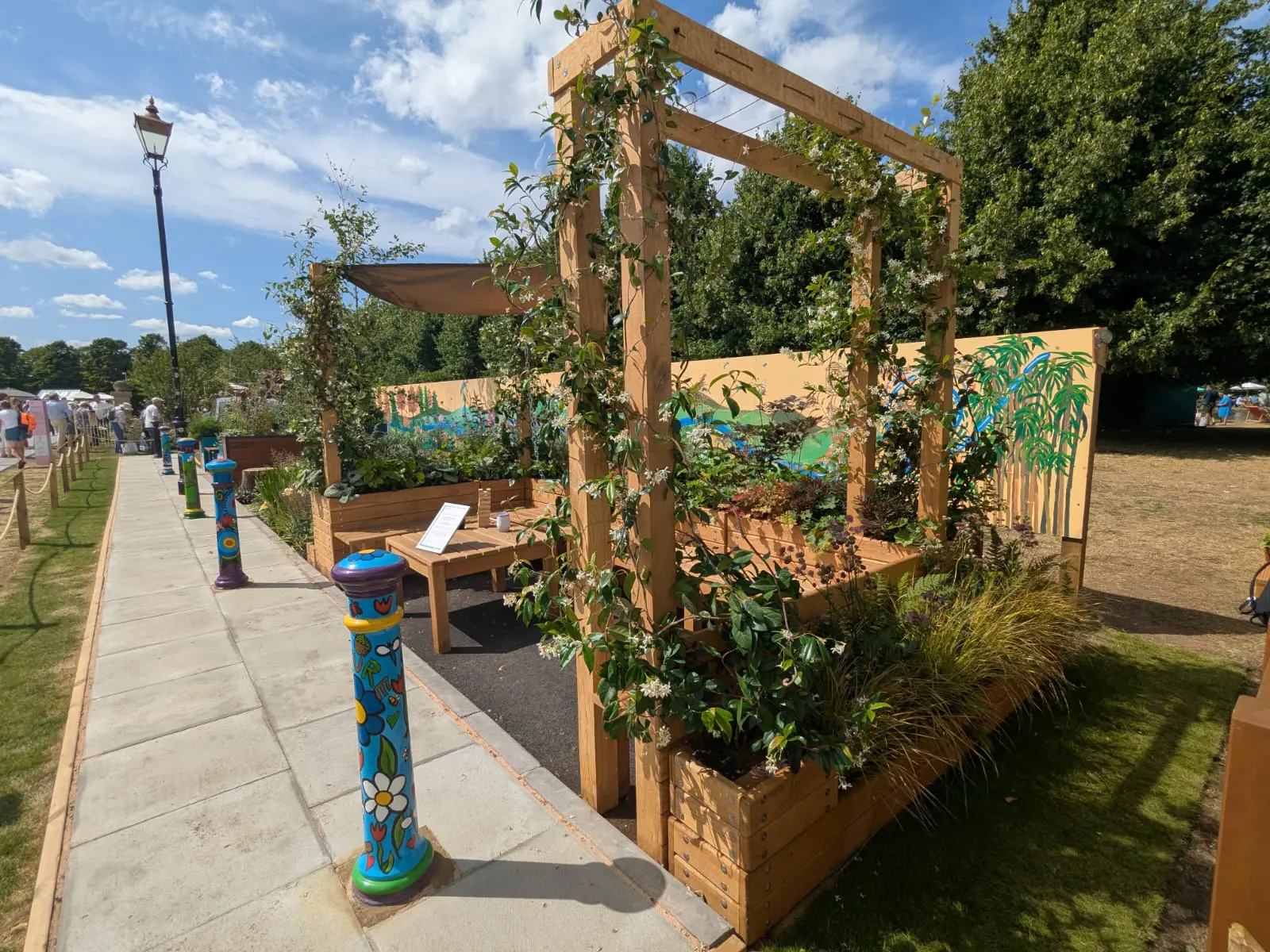
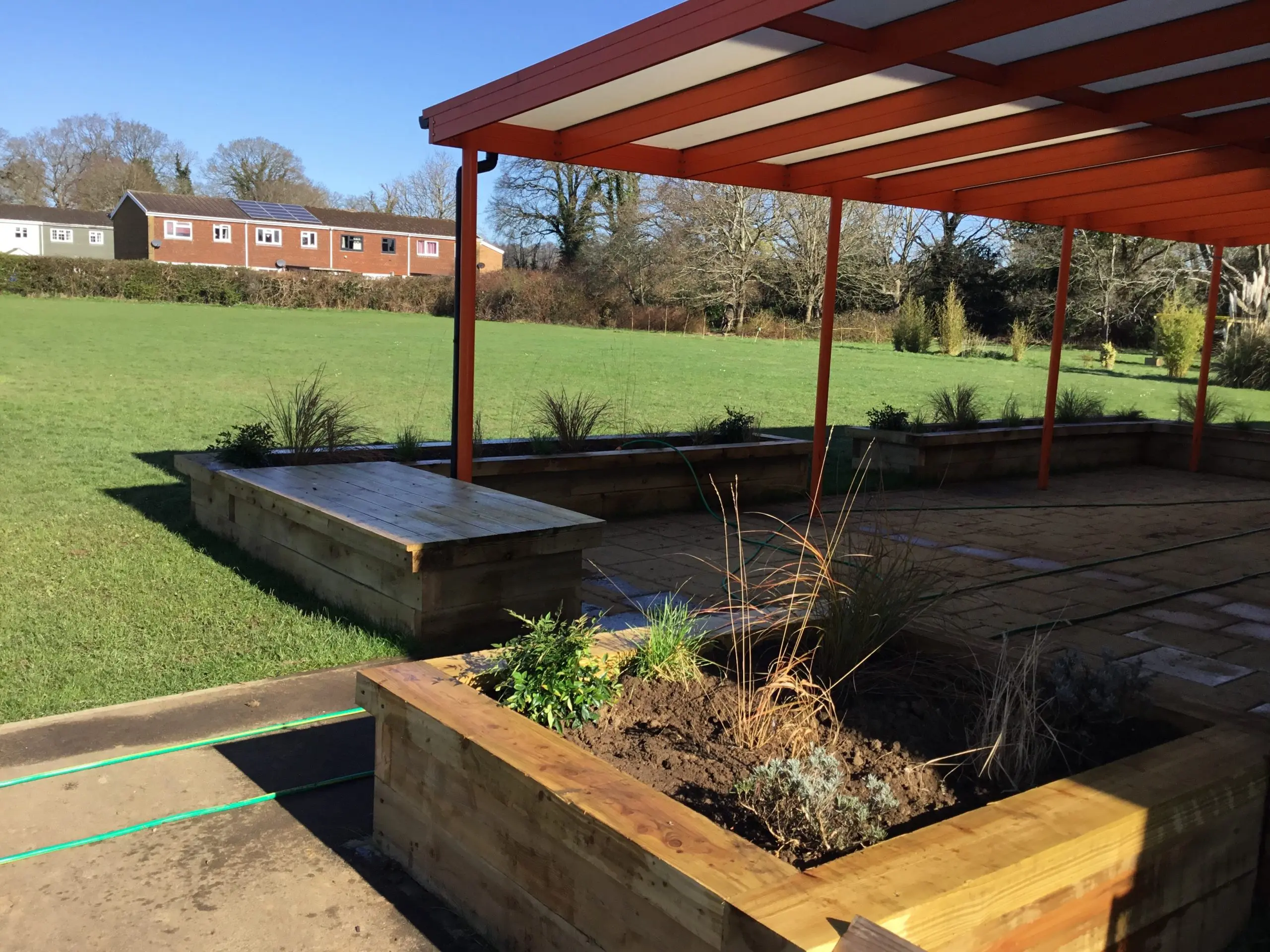
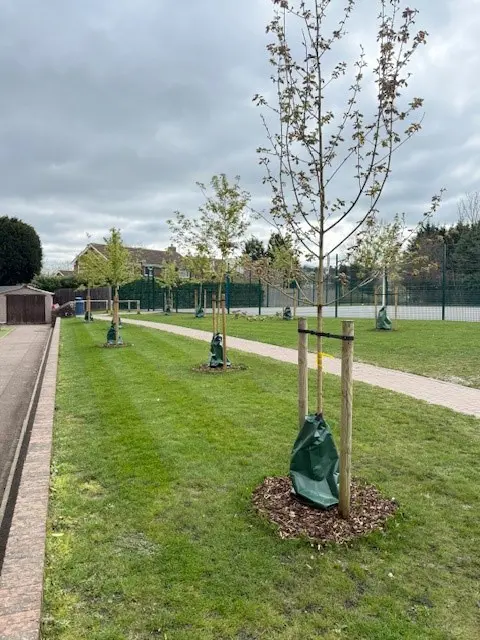
Interventions: The interventions on site included a mix of sustainable drainage planters, tree pits and tree planting, solar shades, living walls and more.
Education: Assemblies are being run at the school to explain the new playground measures to students, why they are needed, and the multiple benefits that ‘soft adaptation’ measures can have. This is important to emphasise, because hard engineering solutions to climate can include concrete, steel etc, which may offer a short term fix to the issues, but produce a high amount of emissions. This only serves to increase the root cause of disruptive weather impacts, by contributing more to climate change.
If you’re interested in being involved in the programme from May 2026 then email greenerfutures@surreycc.gov.uk who will keep you posted on the next instalment of the scheme.
Watch phase 1 of the Surrey Resilient Schools Town Farm installation: