Community Resilience Assembly for Surrey Communities
Surrey Prepared, Surrey Fire and Rescue and Surrey County Council have together created a Community Resilience Toolkit, to better align advice for communities to prepare and adapt to risks and impacts in their areas.
The toolkit is designed to help communities to:
- understand and map current and future risks to their locality
- create an emergency response plan to prepare for incidents
- develop a long term strategy to build resilience, whilst contributing to efforts to reduce the likelihood of incidents occurring through preventative action
On 15th July the Community Resilience Toolkits will be launched at an event at Denbies Vinyard.
Following the success of SCC’s resilience grants schemes last year, the toolkit launch will be accompanied by a community grant that localities can apply for to deliver impactful projects under their completed Community Resilience Plan.
Purpose Of The Community Resilience Toolkit
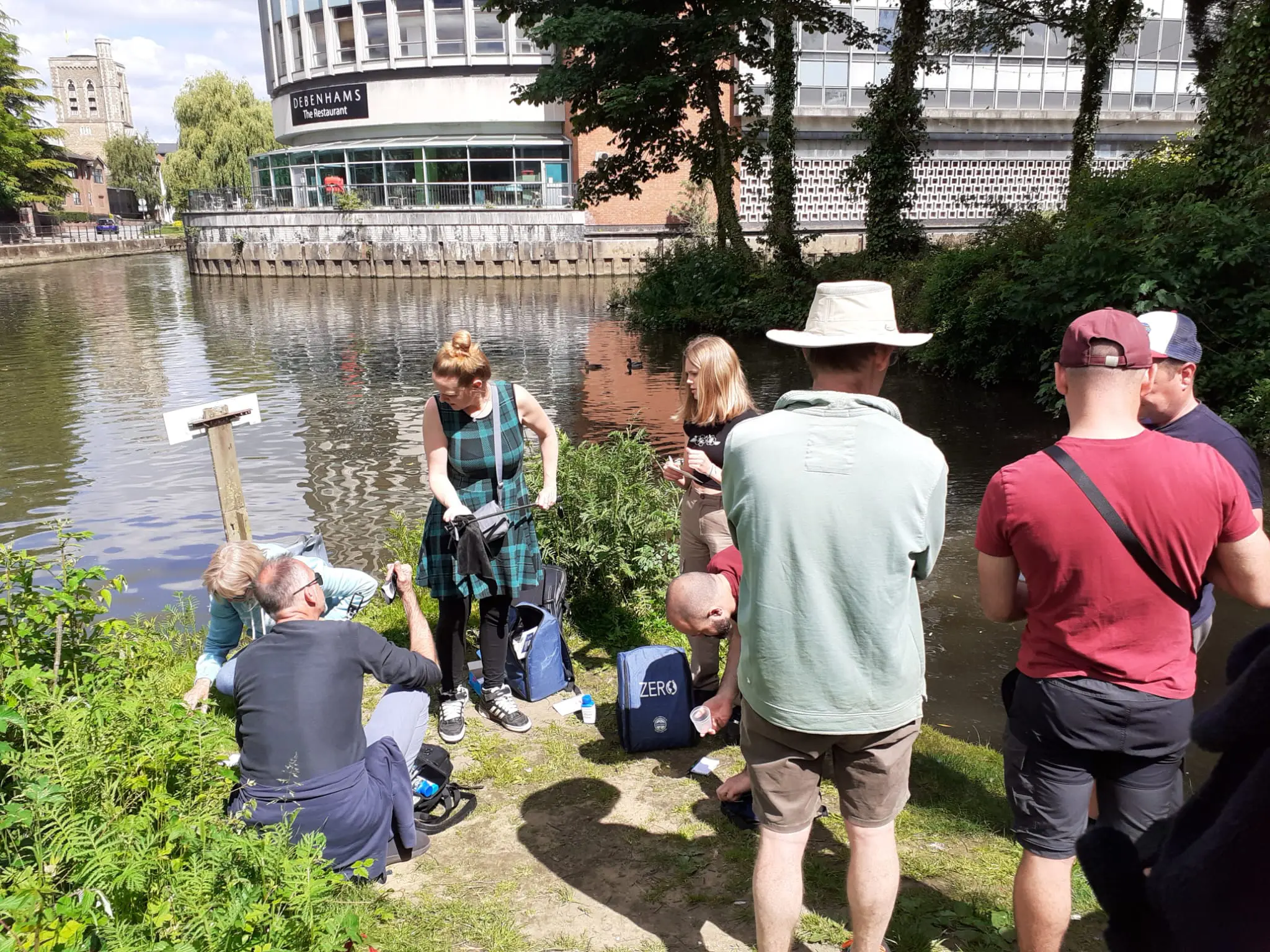
The Community Resilience Toolkits aim to help build community collaboration between key local stakeholders, including parish and town councils, faith groups, schools, community groups etc, to create resilience plans that tackle impacts such as flooding, adverse weather, utilities outages and wildfires.
Of the 9 key risks to Surrey identified by Surrey Prepared, these 4 present the greatest threat due to their likelihood of occurrence, coupled with their potential for damage and loss of property and / or life.
The Toolkit provides an actionable way for communities to create a resilience plan that helps mitigate and adapt to key risks they may face.
Whilst the tier 3 local authorities (parish & town councils) typically hold responsibility for emergency responses (due to established lines of communication with emergency responders and other local authorities), there is plenty that communities can do alongside emergency planning which helps create long term mitigation and prevention of these risks and impacts, as well as implementing ‘soft adaptation’ measures which allow us to adapt to these impacts, whilst delivering key co-benefits such as nature restoration, improved access to green space, improved air quality etc.
In this way the toolkits support the work of the tier 3 authorities, many of who are already working with stretched resources, to implement key strategic interventions for adaptation and resilience whilst sharing the load with motivated and engaged stakeholders in the area, to create a place-based plan for adoption of key measures and identify future potential funding streams for project implementation.
We are incentivising the completion of these toolkits with a Surrey community grant of £1,000, made available to up to 15 localities as part of the pilot phase. On completion of their Resilience Plan the community can then bid for up to £15,000 to deliver one or two key projects identified by their Resilience Plan.
The timeline for key stages of the project is shown below…
Why Is Resilience To These Threats Important?
The toolkit and accompanying grant focus on 4 key risks, due to the high risk level they pose to Surrey residents and communities:
- Flooding: Over 30,000 of our homes are at risk of flooding in Surrey, from river, surface water or ground water flooding. This is expected to rise to around 50,000 in the next 20 years.
- Adverse weather: This includes increasing heat risk – as we’ve just seen from May’s record temperatures – storms and extreme cold. These incidents can be particularly dangerous to the health of young and elderly people.
- Wildfire: SFRS have mapped around 60 square miles at risk of wildfire in Surrey. A wildfire in January 2023 was the first time SFRS have had to deal with such an incident in any January, highlighting the growing risk.
- Utilities outages: Power and water supply outages are not uncommon, particularly in rural parts of the county. But when they occur because of, or in combination with adverse weather they can be dangerous and require an emergency response. Residents in Kent and Sussex were left without water during the May heatwave
Who Is This Workshop For?
Representatives from schools, community groups, parish and town councils, and faith groups, as well as land owners and managers are invited to take part in this workshop, and contribute to local resilience efforts in their area.
What Will The Grant Scheme Cover?
The grant scheme and toolkit cover several areas of resilience, including:
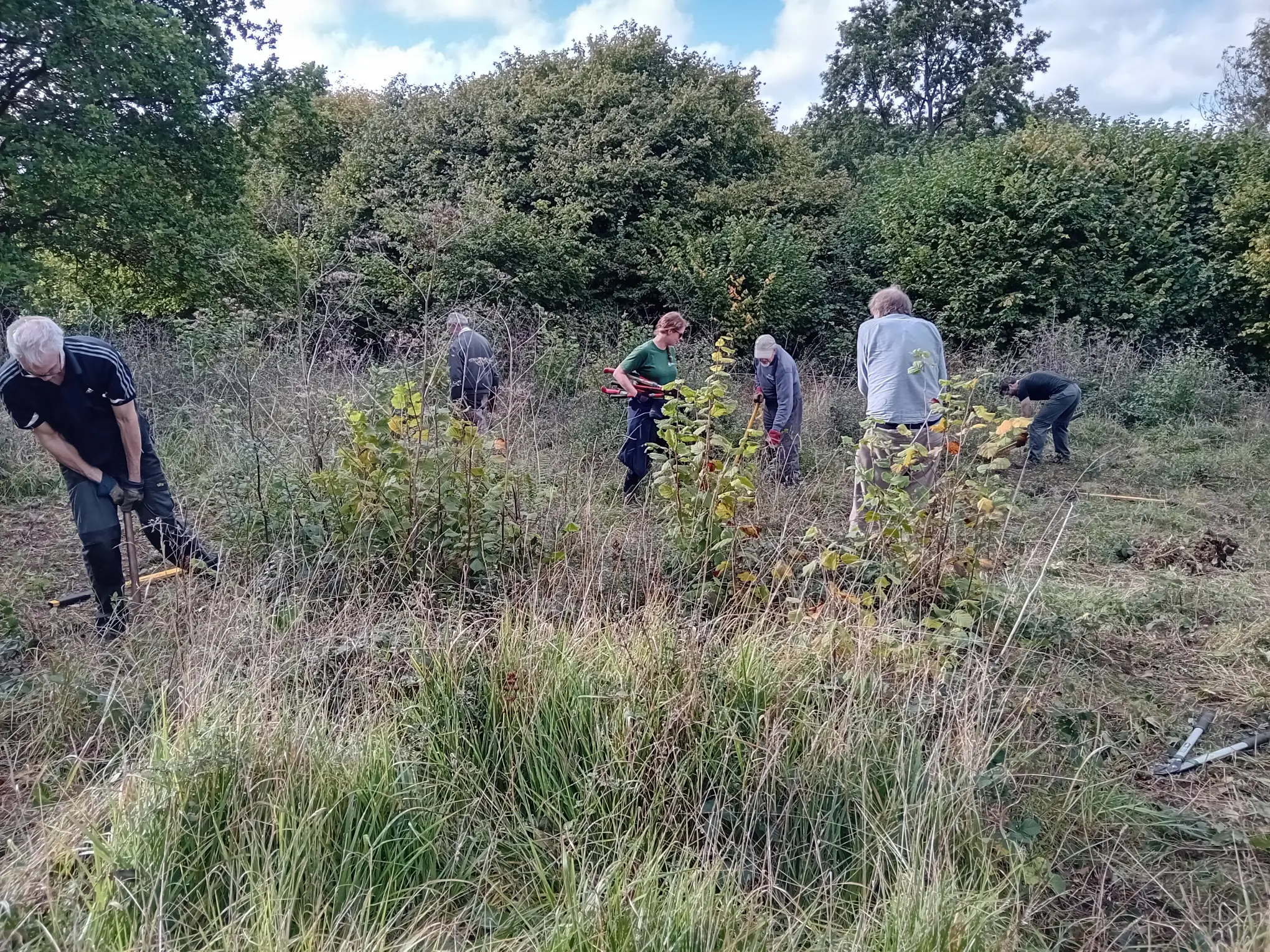
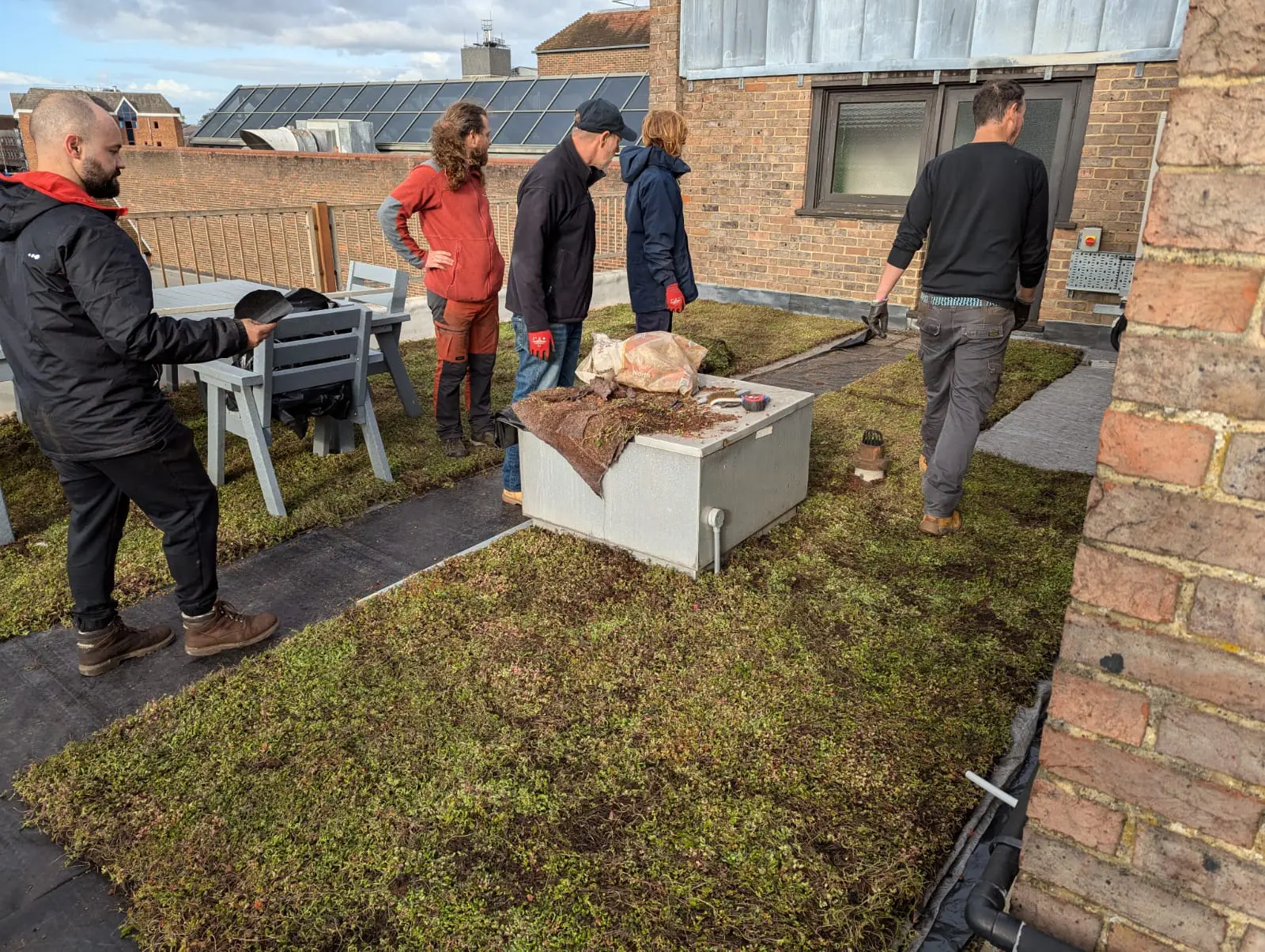
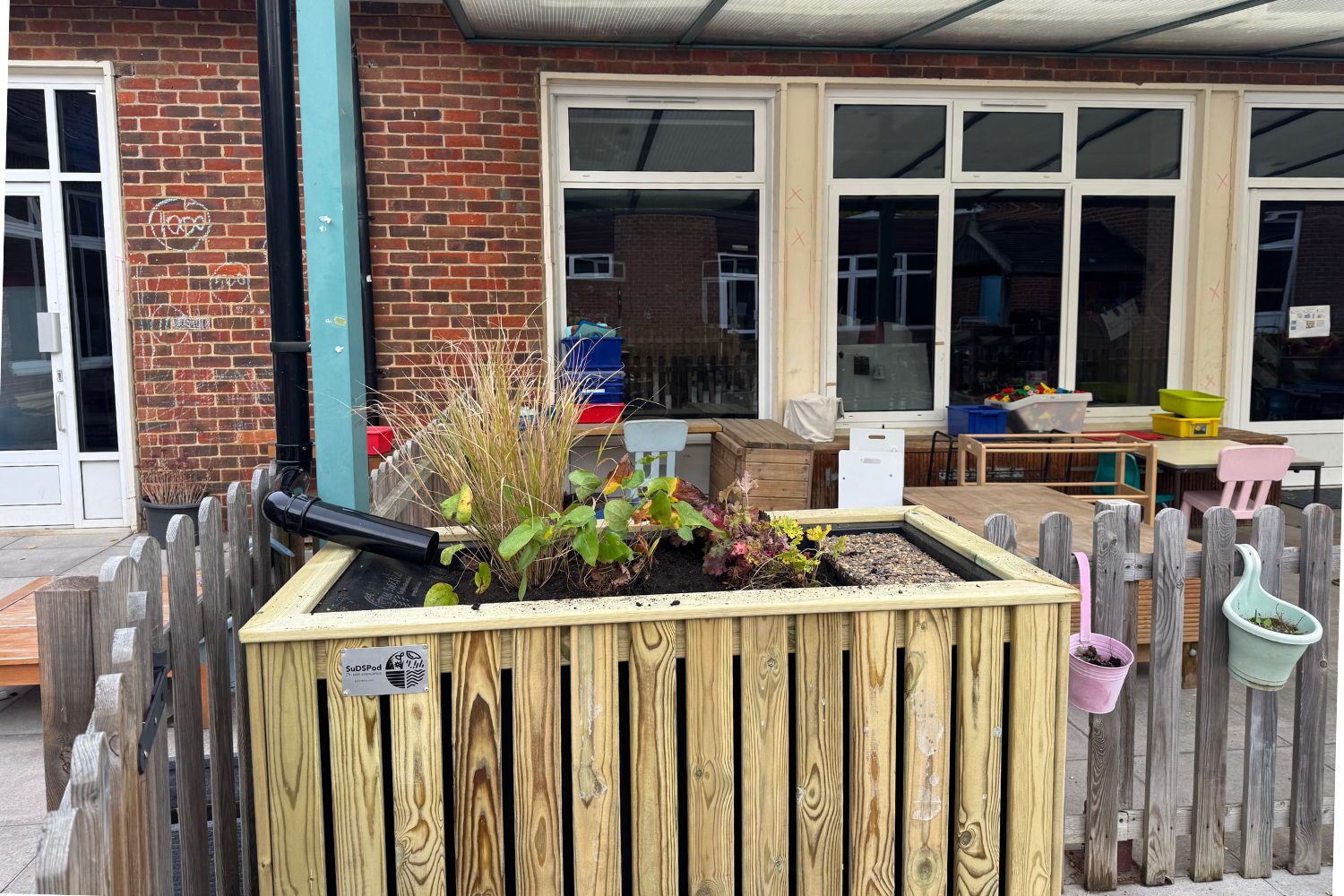
- Nature based solutions for flooding, heat stress etc
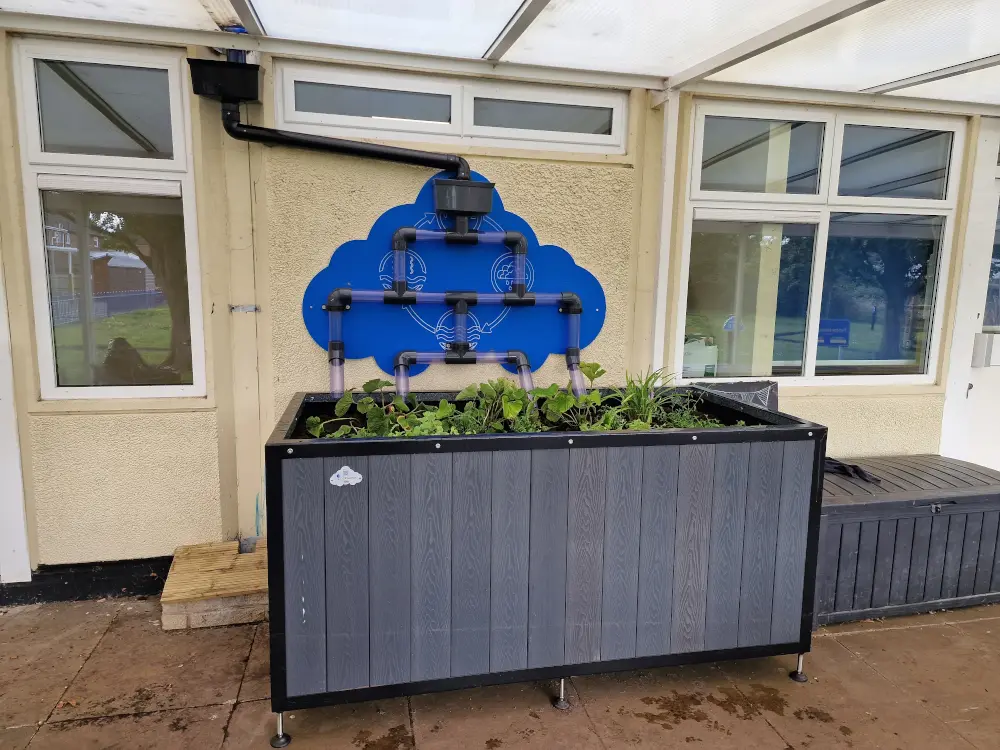
- Community-level interventions for flooding, energy bill reduction etc
- Energy resilience through local electricity generation
- Community-scale waste interventions which can tackle cost-of-living pressures
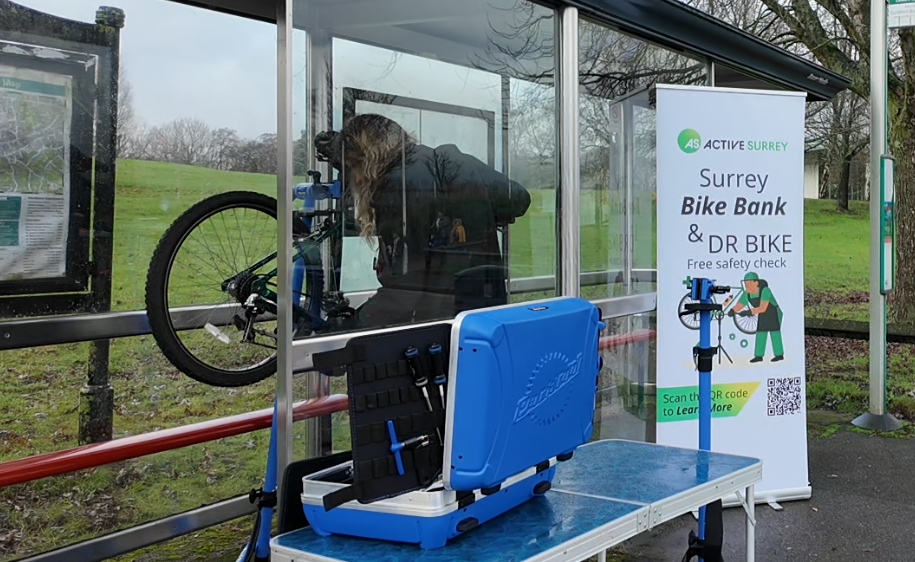
- Transport and travel schemes that reduce the impact of short journeys made by car, which in turn increase pothole frequency and air pollution
- Resilience hubs which provide a local, centralised resource for resilience initiatives
Hard engineering solutions such as those involving large quantities of concrete, or mechanical solutions are unlikely to be funded, except in exceptional circumstances, due to a) the cost of these interventions and b) their exacerbation of the underlying causes which increase the likelihood of emergency situations, namely nature and habitat loss and escalating climate impacts.
To find out more, sign up to the launch of the Community Resilience Toolkits and Community Resilience Grants at Denbies Vinyard on 15th July by clicking the button below…