Skip To Content

Cook nutritious meals while maintaining clean, healthy air

Home‑cooked meals are often the healthier and more cost‑effective choice. But did you know that without proper ventilation, indoor cooking can contribute to poor air quality and potential health issues? During cooking, levels of carbon dioxide and other pollutants can rise sharply and linger in the air.

To protect our respiratory health, it’s important to adopt good ventilation habits while cooking. Keeping windows open, avoiding unnecessary crowding in the kitchen, reducing cooking time, and choosing healthier cooking methods—such as steaming or oven‑roasting instead of frying—all help minimise excess fumes and steam.

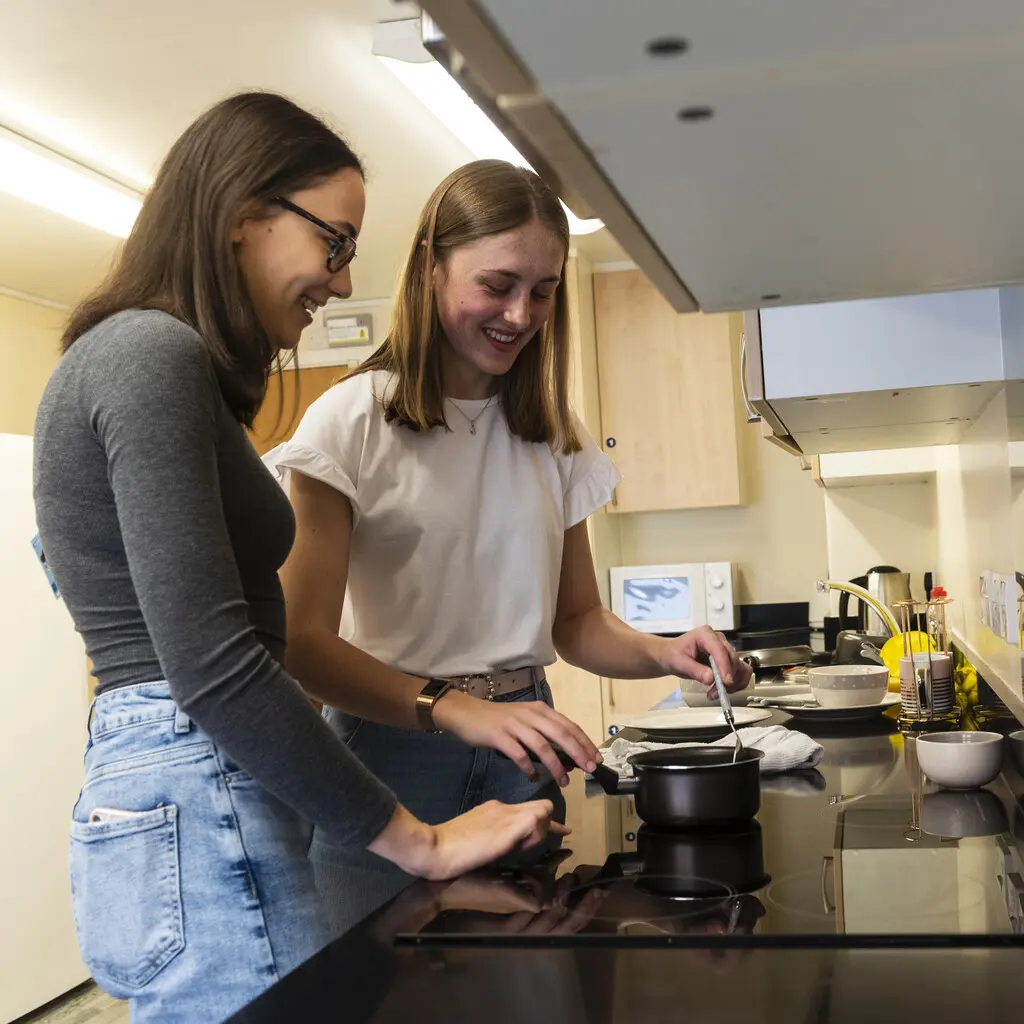
Keeping indoor air quality in mind while cooking is important and beneficial for:

  • Protecting respiratory health: Cooking—especially frying or high‑heat methods—releases fine particles, carbon dioxide, and other pollutants that can irritate the lungs and worsen conditions like asthma.
  • Reducing long‑term exposure to harmful pollutants: Without proper ventilation, pollutants accumulate and linger, increasing the risk of headaches, fatigue, and long‑term health impacts linked to poor indoor air quality.
  • Creating a safer and more comfortable home environment: Good ventilation helps remove excess heat, moisture, fumes, and odours, making the kitchen more pleasant and reducing issues like mould growth and dampness.

Secret Link