Skip To Content

Clean energy equals cleaner air

We all want to be able to breathe clean air, and a great way to tackle the issue of poor air quality is by dealing with the root causes. It might even save you money.  

The largest source of air pollution from human activity remains the production and use of energy. But switching to clean energy sources significantly cuts air pollutants at home and abroad, and 400,000 new, well-paid jobs are predicted to be created in the UK by 2030 as the clean energy sector grows; with this economic sector growing 3 times fast than the rest of the economy. The benefits of clean energy growth are huge, as the CEO of the Confederation of British Industry, Rain Newton-Smith puts it: ‘Clear, consistent laws have helped make the UK a global leader in clean energy investment and innovation. This transition is not only essential for tackling climate change – it’s a strategic economic opportunity.’ 

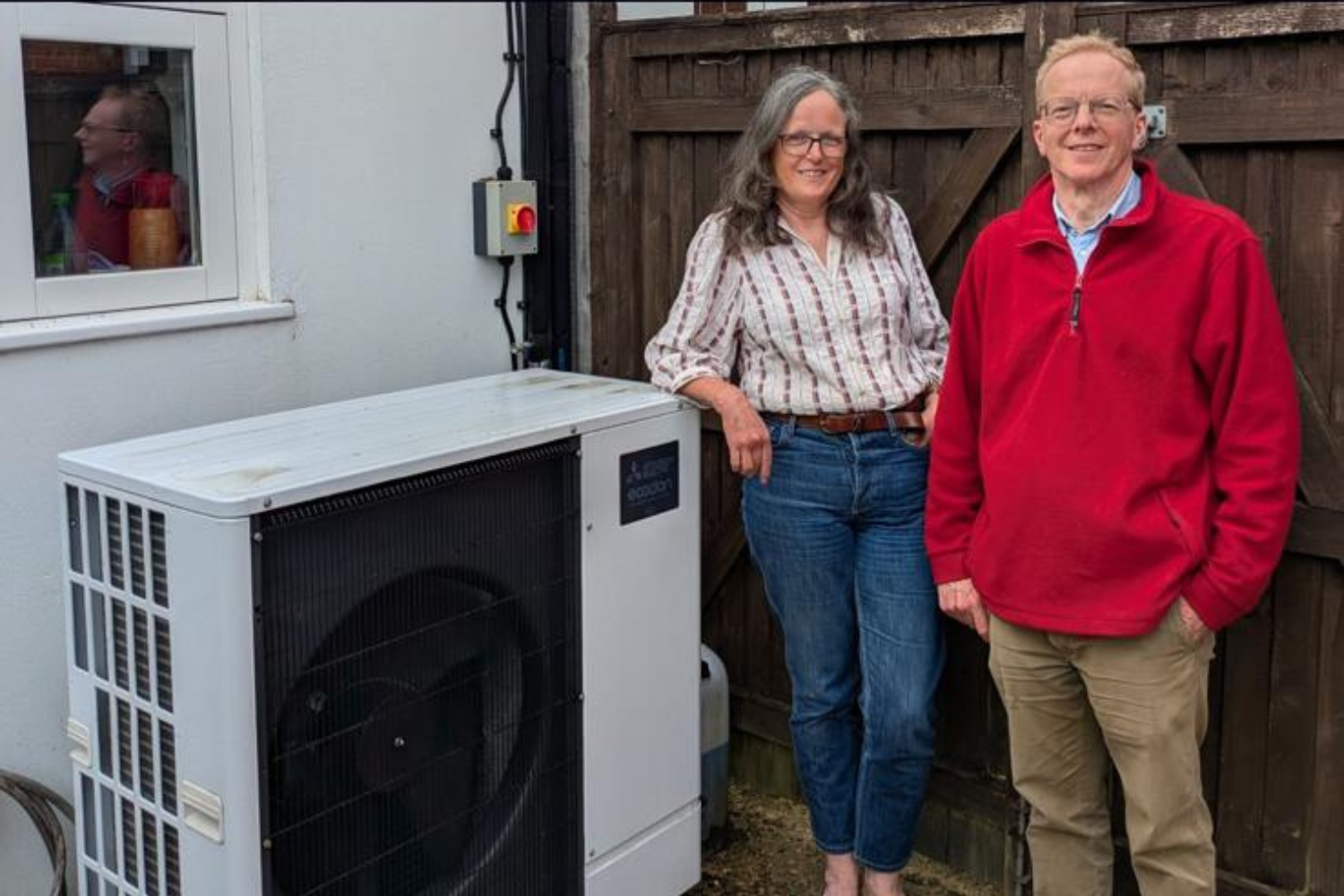
We can all play a role in this transition to cleaner air and better health, either by installing our own source of clean energy on our homes, or if that’s not possible, switching to a clean energy provider.  

Over 3000 Surrey homes have already taken advantage of Surrey’s Solar Together programme, investing a combined £20m in high quality solar installations on their homes through the county’s group-purchasing solar scheme. Although our national grid has now successfully phased out coal - the worst culprit for energy-related poor air quality - gas prices are around 75% than before Russia invaded Ukraine. Across a number of studies, around 2/3 of the British public support action on cleaner air. But the full impacts of poor air quality are not fully recognised by the public, with the Royal College of Physicians finding that whilst 84% understand the links to asthma, and 61% understood poor air quality is a risk to their physical health, only 17% of the public are aware of the links between poor air quality and an increased risk of dementia or poor mental health. Clean energy is often viewed solely as a way of tackling climate change, but the benefits are far wider than this:

  • Improve public health and lower the risk of heart attack, asthma and stroke
  • Reduce the risk of poor mental health associated with air pollutants, including depression and dementia
  • Keep investment and growth local, instead of funding oil-exporting countries like Saudi Arabia and Russia
  • Improve energy independence and resilience in the UK by reducing reliance on these countries
  • You could even make money by investing in local community energy projects with an annual pay-out
Secret Link